
LE JOURNAL TOPIDERM
How to Build a Complete Summer Skincare Routine in Morocco
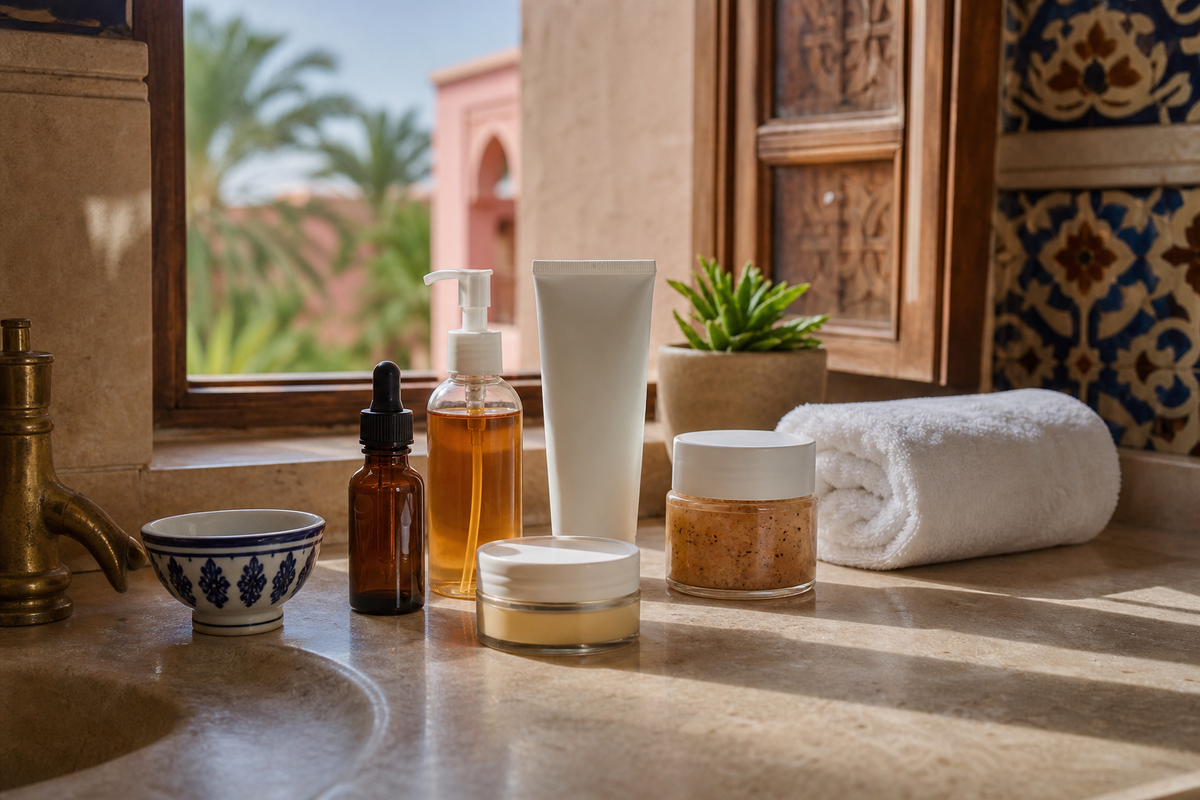
Morocco's sun-drenched landscape presents unique dermatological challenges that demand a sophisticated approach to cutaneous care. The convergence of intense ultraviolet radiation, arid atmospheric conditions, and elevated temperatures necessitates a meticulously orchestrated skincare regimen that transcends conventional beauty protocols. Understanding the physiological impact of Morocco's climate on dermal integrity becomes paramount for maintaining optimal skin health throughout the sweltering months.
The North African climate oscillates between coastal humidity and inland aridity, creating a paradoxical environment where skin simultaneously battles dehydration and excessive sebum production. This dichotomy requires strategic formulation selection that addresses multiple concerns without compromising the cutaneous barrier. Establishing a comprehensive summer routine fortifies your skin against environmental aggressors while promoting that coveted luminosity despite harsh climatic adversities.
Understanding Morocco's Climatic Impact on Skin Health
The Moroccan summer inflicts considerable physiological stress on dermal structures. Temperatures frequently surpass 40°C in interior regions, while coastal zones experience saline-laden winds that exacerbate transepidermal water loss. This environmental assault triggers compensatory mechanisms within sebaceous glands, often resulting in simultaneous dehydration and oiliness—a vexing condition known as dehydrated-oily skin.
Ultraviolet radiation intensity in Morocco ranks among the highest globally, particularly between June and September. The UV index regularly achieves extreme classifications, accelerating photoaging processes, stimulating melanogenesis unevenly, and compromising cellular DNA integrity. Without adequate photoprotection, cutaneous structures undergo premature senescence, manifesting as hyperpigmentation, textural irregularities, and diminished elasticity.
Dust particles suspended in Morocco's atmosphere, particularly during sirocco winds, create an additional inflammatory burden. These microscopic irritants penetrate epidermal layers, inciting oxidative stress and inflammatory cascades that compromise barrier function. Consequently, summer skincare in this geographic context demands robust antioxidant support alongside conventional moisturization.
Morning Cleansing: The Foundation of Photoprotection
Commencing your morning ritual with appropriate cleansing eliminates nocturnal metabolic byproducts and residual skincare formulations. Select a gentle cleansing agent that respects the skin's acidic mantle—ideally formulated with a pH between 4.5 and 5.5. Harsh detergents strip essential lipids, paradoxically triggering reactive sebum production that exacerbates oiliness throughout sunlit hours.
Topiderm's cleansing formulations employ efficacious surfactant systems that dissolve impurities without compromising intercellular lipid matrices. This preservation of barrier integrity proves crucial in Morocco's desiccating environment. Post-cleansing, the skin should feel refreshed yet supple, never taut or stripped—a sensation indicating excessive degreasing that invites subsequent complications.
Water temperature merits consideration; tepid applications prove optimal for maintaining vascular equilibrium. Excessively hot water dilates capillaries and strips protective sebum, while frigid temperatures can shock sensitized tissue. Pat skin semi-dry, leaving residual moisture to enhance subsequent product penetration through humectant mechanisms.
Targeted Serums and Treatment Products
Brightening Concentrates for Hyperpigmentation
Morocco's relentless solar exposure invariably triggers melanocytic hyperactivity, producing irregular pigmentation patterns that compromise complexion uniformity. Brightening serums containing tyrosinase inhibitors, such as niacinamide, ascorbic acid derivatives, or specialized botanical extracts, intercept melanin synthesis pathways before chromophores deposit within keratinocytes.
Application technique influences efficacy substantially. Dispense several drops onto fingertips and press gently into areas exhibiting dyschromia—commonly the malar region, forehead, and décolletage. Topiderm's brightening formulations incorporate stabilized actives that withstand Morocco's thermal conditions, maintaining potency despite storage challenges common in warmer climates.
Antioxidant Defense Systems
Free radical neutralization constitutes a non-negotiable component of Moroccan summer skincare. Photooxidative damage accumulates exponentially under intense solar bombardment, overwhelming endogenous antioxidant reserves. Topical application of electron-donating molecules like ascorbyl compounds, tocopherols, or specialized peptides provides exogenous defense against reactive oxygen species.
Layering antioxidant serums beneath photoprotective formulations creates synergistic shielding. These molecules absorb stray photons that penetrate sunscreen filters while repairing oxidative lesions in real-time. This dual-action approach significantly attenuates inflammatory cascades that otherwise compromise dermal architecture.
The Indispensable SPF50+ Barrier
Photoprotection represents the cornerstone of summer dermatological maintenance in Morocco. SPF50+ formulations block approximately 98% of UVB radiation while incorporating broad-spectrum filters against UVA wavelengths responsible for profound dermal damage. Topiderm's advanced sunscreen technology employs photostable filter combinations that resist degradation despite prolonged sun exposure and perspiration.
The application quantity determines photoprotective efficacy more than formulation strength. Most individuals apply merely 25-50% of the recommended amount, dramatically reducing stated SPF values. For facial coverage, dispense a full teaspoon—approximately 1.25 milliliters—ensuring comprehensive distribution across all exposed surfaces including ears, neck, and chest.
Reapplication frequency cannot be overstated. Every two hours represents the maximum interval between applications, with immediate renewal following aquatic activities, vigorous perspiration, or towel contact. Morning application alone provides utterly insufficient protection for Morocco's protracted summer days where sunlight intensity persists past 19:00 hours.
Formulation texture influences compliance significantly. Topiderm's SPF50+ products feature non-comedogenic matrices that absorb rapidly without residual greasiness—a critical consideration for individuals with seborrheic tendencies exacerbated by heat. These elegant textures encourage consistent reapplication rather than grudging obligation.
Midday Refreshment and Reapplication Strategies
Maintaining cutaneous hydration throughout scorching afternoon hours presents logistical challenges. Portable facial mists containing humectant-rich formulations provide immediate relief while preparing skin for sunscreen renewal. Avoid formulations containing solely aqueous solutions, as evaporation can paradoxically increase transepidermal water loss.
Before reapplying photoprotection, gently blot excess sebum with absorbent papers rather than cleansing, which disrupts existing product layers. This preservation approach maintains baseline protection while accommodating fresh sunscreen application. For individuals wearing cosmetics, powder sunscreen formulations or cushion compacts offer convenient alternatives to cream reapplication.
Evening Restoration: Repair and Regeneration
Thorough Purification
Evening cleansing demands more rigorous methodology than morning routines. Accumulated sunscreen residues, environmental pollutants, oxidized sebum, and metabolic debris require complete removal to prevent follicular congestion and inflammatory responses. Double-cleansing protocols prove particularly effective—initiating with oil-based formulations that dissolve lipophilic substances, followed by aqueous cleansers addressing water-soluble residues.
Topiderm's cleansing gels incorporate surfactant systems that emulsify stubborn photoprotective films without requiring aggressive mechanical manipulation. This gentle yet thorough approach prevents microtears and irritation that compromise barrier function overnight when regenerative processes operate most intensively.
Nourishing Night Treatments
Nocturnal hours present optimal opportunity for delivering concentrated actives that might prove photosensitizing or unstable under daylight conditions. Retinoid derivatives, higher-concentration brightening agents, and reparative peptides penetrate undisturbed, facilitating cellular turnover and chromophore dispersion accumulated during diurnal exposure.
Topiderm's nourishing formulations incorporate bioavailable nutrients that support dermal matrix synthesis—amino acids, ceramide precursors, and essential fatty acids that reinforce intercellular cement. These components prove especially crucial after sun exposure, which depletes structural lipids through inflammatory mediators and oxidative processes.
| Time | Product Category | Primary Function |
|---|---|---|
| Morning (07:00) | Gentle Cleanser | Remove nocturnal metabolic waste |
| Morning (07:15) | Brightening Serum | Inhibit melanin synthesis pathways |
| Morning (07:20) | SPF50+ Sunscreen | Block UV radiation (98% UVB) |
| Midday (13:00) | SPF50+ Reapplication | Maintain photoprotective barrier |
| Evening (20:00) | Deep Cleanser | Remove sunscreen and pollutants |
| Evening (20:15) | Nourishing Treatment | Support overnight repair processes |
Hydration from Within: Supporting Cutaneous Function
Topical interventions achieve maximal efficacy only when systemic hydration remains adequate. Morocco's arid conditions accelerate insensible water losses through both respiratory and cutaneous routes. Consuming 2.5-3 liters of purified water daily compensates for these elevated losses while supporting cellular volumetric integrity.
Incorporate hydrating foods abundant in preformed water and electrolytes—cucumbers, watermelon, citrus fruits, and tomatoes provide structured hydration that tissues retain more effectively than plain water. These foods simultaneously deliver antioxidant phytonutrients that complement topical photoprotection from within.
Addressing Common Summer Skin Concerns
Managing Heat-Induced Breakouts
Elevated temperatures stimulate sebaceous glands while simultaneously promoting follicular hyperkeratinization—a combination culminating in obstructive acne lesions. Combat this phenomenon through non-comedogenic product selection and periodic exfoliation using enzymatic or gentle chemical agents rather than abrasive mechanical methods that inflame sensitized tissue.
Topiderm formulations specifically avoid pore-congesting ingredients while delivering necessary hydration through humectants rather than occlusive lipids. This strategic approach prevents the suffocating sensation that discourages sunscreen compliance among acne-prone individuals.
Soothing Sun-Sensitized Skin
Despite diligent photoprotection, occasional overexposure occurs. Immediate intervention with cooling, anti-inflammatory preparations mitigates long-term damage. Ingredients like panthenol, allantoin, and specialized botanical extracts calm inflammatory mediators while supporting barrier repair. Avoid petroleum-based occlusives that trap heat within tissues, potentially worsening thermal injury.
Weekly Enhancement Protocols
Supplementing daily routines with weekly intensive treatments accelerates visible improvements. Consider these strategic additions:
- Enzymatic masks that digest accumulated corneocytes without mechanical abrasion, promoting cellular turnover and enhanced product penetration
- Hydrating sheet masks saturated with humectants that force-feed moisture into dehydrated tissues through occlusive action
- Brightening masks containing higher concentrations of tyrosinase inhibitors for focused melanin dispersion
- Clay-based purifying treatments that adsorb impurities from congested pores without stripping essential lipids
Schedule these treatments during evening hours, allowing overnight integration of active compounds without immediate sun exposure that might compromise certain photosensitive ingredients.
Lifestyle Modifications for Optimal Results
Skincare products constitute merely one component of comprehensive dermatological wellness. Behavioral modifications amplify topical interventions considerably. Seek shade during peak solar intensity hours between 11:00-16:00 when UV radiation achieves maximum potency. This simple avoidance strategy reduces cumulative photoexposure substantially.
Wear broad-brimmed headwear providing facial shading alongside UV-protective eyewear that shields the delicate periorbital region where photoaging manifests prominently. These physical barriers complement chemical photoprotection, creating multilayered defense systems.
Dietary considerations merit attention. Consume foods rich in carotenoids, polyphenols, and omega-3 fatty acids that support dermal resilience from within. Tomatoes, green tea, fatty fish, and vibrant vegetables provide building blocks for endogenous photoprotection while combating oxidative stress systemically.
Recognizing When Professional Intervention Becomes Necessary
Certain cutaneous presentations exceed home-care capabilities, requiring dermatological assessment. Seek professional evaluation if experiencing:
- Sudden appearance of asymmetric pigmented lesions exhibiting irregular borders or color variation
- Persistent inflammatory conditions unresponsive to conventional treatments after three weeks
- Acute photosensitivity reactions manifesting as severe erythema, edema, or vesiculation following sun exposure
- Progressive textural changes suggesting deeper dermal damage requiring prescription therapeutics
Dermatologists can prescribe higher-concentration actives, perform professional procedures like chemical peels or laser treatments, and rule out pathological conditions masquerading as cosmetic concerns.
Frequently Asked Questions About Summer Skincare in Morocco
Can I skip morning cleanser if my skin feels clean upon waking?
Nocturnal metabolic processes generate substantial cellular debris despite subjective cleanliness. Sebaceous secretions, desquamated corneocytes, and oxidized skincare residues accumulate overnight. Morning cleansing removes these impediments to fresh product absorption while normalizing surface pH disrupted during sleep. Even brief aqueous rinsing proves beneficial if full cleansing seems excessive for particularly dry complexions.
Should I apply different SPF levels to various facial zones?
Uniform SPF50+ application across all exposed areas ensures consistent photoprotection. Certain regions—nose, cheeks, forehead—receive more perpendicular solar rays, theoretically warranting enhanced protection. However, practical application challenges make this differentiation impractical. Instead, focus on ensuring adequate quantity across all zones, with potential additional layering over high-exposure convexities during extended outdoor duration.
How do I prevent sunscreen from exacerbating oiliness?
Select formulations specifically engineered for seborrheic skin types. Topiderm's SPF50+ products employ sebum-regulating technologies that mattify while protecting. Apply to completely dry skin after allowing preceding products full absorption—typically 60-90 seconds. Avoid over-layering multiple products that create occlusive films triggering compensatory sebum production. Blotting papers throughout the day manage breakthrough shine without compromising photoprotection.
What constitutes appropriate exfoliation frequency during Moroccan summers?
Exfoliation requirements vary dramatically based on individual desquamation rates and product tolerance. Generally, 1-2 weekly enzymatic or mild chemical exfoliation sessions suffice for maintaining turnover without provoking inflammation. Sun-exposed skin exhibits heightened sensitivity; aggressive exfoliation followed by inadequate photoprotection invites severe photodamage. Always apply SPF50+ immediately following any exfoliating procedure and avoid such treatments immediately before prolonged sun exposure.
Building Consistency: The Key to Visible Transformation
Dermatological improvement manifests through cumulative action rather than sporadic intervention. Establishing habitual routines transforms skincare from burdensome obligation into automated ritual. Position products visibly in bathroom spaces, set smartphone reminders for midday reapplication, and track adherence through journaling or applications designed for habit formation.
Visible improvements typically emerge after 4-6 weeks of consistent application as cellular turnover cycles complete and cumulative photoprotection prevents ongoing damage. Patience proves essential; premature discontinuation forfeits progressive benefits accumulated through diligent application. Photographic documentation at monthly intervals provides objective assessment, as subjective daily observation often obscures gradual transformations occurring incrementally.
Seasonal Transitions: Preparing for Autumn
As Morocco transitions from summer's intensity toward autumn's moderation, skincare adjustments facilitate smooth adaptation. Gradually introduce richer emollients as atmospheric humidity increases and temperatures moderate. However, maintain SPF50+ application year-round—a common misconception suggests reduced sun exposure necessitates lower protection factors, yet UVA radiation remains consistently damaging regardless of seasonal temperature variations.
September and October still deliver substantial solar intensity in Morocco, particularly in southern regions. Premature abandonment of rigorous photoprotection squanders summer's protective efforts, allowing accumulated photodamage to manifest as hyperpigmentation and textural irregularities become visible weeks after exposure incidents.
Product Storage Considerations in High Temperatures
Thermal degradation compromises skincare efficacy substantially in Morocco's climate. Store products in cool, dark environments away from direct sunlight and heat sources. Bathrooms, despite convenience, often experience temperature fluctuations and humidity spikes that destabilize formulations. Consider refrigerated storage for vitamin C serums and other oxidation-prone compounds.
Topiderm formulations incorporate stabilization technologies that enhance thermal resilience, yet prudent storage practices extend product lifespan and maintain optimal potency. Discard any products exhibiting color changes, separation, or altered fragrance—indicators of chemical degradation rendering them ineffective or potentially irritating.
Economic Considerations: Investing in Quality Formulations
Premium skincare represents investment rather than expenditure when evaluating long-term dermatological health. Inferior photoprotective products provide false security, permitting photodamage that requires expensive corrective procedures subsequently. Topiderm's high-performance formulations deliver concentrated actives in bioavailable formats, requiring smaller quantities per application compared to diluted alternatives.
Calculate cost-per-use rather than package price. A meticulously formulated serum containing stabilized, penetration-enhanced actives at therapeutic concentrations delivers superior value compared to inexpensive products requiring excessive quantities to achieve marginal results. Furthermore, preventing photodamage proves exponentially more economical than addressing accumulated damage through professional interventions.
Customizing Your Routine Based on Skin Type Variations
For Oily and Combination Complexions
Prioritize lightweight, gel-based formulations that hydrate without occlusion. Topiderm's gel preparations deliver essential moisture through humectant mechanisms rather than lipid barriers that exacerbate sebaceous congestion. Incorporate sebum-regulating ingredients like niacinamide that modulate glandular activity without triggering reactive hypersecretion.
Avoid the temptation to over-cleanse or strip skin aggressively—this counterproductive approach stimulates compensatory oil production. Instead, maintain barrier integrity through gentle yet thorough cleansing followed by appropriate hydration that signals sebaceous glands to moderate secretion.
For Dry and Mature Skin
Layer hydrating essences beneath richer creams to address both aqueous and lipid deficiencies characteristic of xerotic conditions. Mature skin exhibits diminished natural moisturizing factor production and compromised barrier lipids, necessitating external supplementation. Topiderm's nourishing formulations incorporate ceramide precursors and essential fatty acids that reconstruct intercellular cement while humectants bind water within tissues.
Apply products to damp skin immediately post-cleansing, trapping residual moisture through occlusive mechanisms. This strategic timing maximizes hydration without requiring excessive product quantities. Consider facial oils as final evening step, sealing previous layers and preventing nocturnal transepidermal water loss.
For Sensitive and Reactive Skin
Minimize ingredient complexity through streamlined routines featuring fragrance-free, hypoallergenic formulations. Topiderm products undergo rigorous dermatological testing to ensure compatibility with compromised barriers. Introduce new products individually with 48-hour intervals, allowing identification of potential irritants before complete routine integration.
Prioritize barrier repair through ceramide-rich moisturizers and avoid potential sensitizers including essential oils, botanical extracts of uncertain purity, and high-concentration acids. Physical sunscreen filters containing zinc oxide or titanium dioxide often prove better tolerated than chemical absorbers among truly reactive individuals.
The Psychological Benefits of Consistent Skincare Practice
Beyond physiological improvements, establishing dedicated self-care rituals provides psychological anchoring amid daily chaos. The meditative quality of methodical application—the sensory experience of textures, fragrances, and cooling sensations—creates mindful moments promoting stress reduction. Cortisol elevation compromises cutaneous immunity and accelerates aging; thus, the stress-mitigating aspects of skincare routines contribute to dermatological wellness beyond topical ingredient action.
Visible skin improvements enhance self-confidence, creating positive feedback loops that reinforce healthy behaviors. This psychological dimension transforms skincare from superficial vanity into holistic wellness practice integrating physical, emotional, and behavioral components.
Conclusion: Embracing Comprehensive Cutaneous Stewardship
Constructing an effective summer skincare routine for Morocco's demanding climate requires understanding environmental challenges, selecting appropriate high-performance formulations, and maintaining unwavering consistency. Topiderm's scientifically-formulated products address the specific needs of individuals navigating intense solar exposure, thermal stress, and atmospheric aridity characteristic of North African summers.
The investment of time and resources into proper photoprotection, strategic brightening, and barrier maintenance yields dividends extending far beyond aesthetic enhancement. Preventing photodamage preserves cellular integrity, reduces malignancy risk, and maintains youthful dermal architecture that surgical interventions cannot fully restore once compromised.
Begin implementing these protocols immediately rather than awaiting perfect conditions or complete product acquisition. Even partial adherence delivers meaningful protection compared to neglect. As consistency transforms conscious effort into automatic habit, your skin manifests the cumulative benefits of diligent stewardship—resilience against environmental assault, luminosity despite challenging conditions, and sustained health that radiates confidence from within.
Morocco's magnificent landscapes and vibrant culture deserve to be enjoyed without dermatological compromise. Equipped with comprehensive knowledge and efficacious products from Topiderm, you can embrace summer's splendor while maintaining optimal cutaneous health through every sun-drenched adventure.